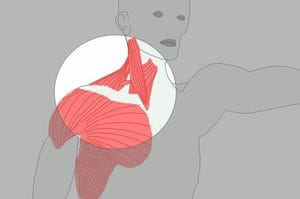

These are muscles that activate when we are in a sympathetic reaction (fight or flight). This can be in reaction to something in our environment that doesn’t feel safe, something happening internally (a physical stressor) or in our mind (stress).
One of these muscles is the Psoas. This muscle does several actions that support us in fight or flight. It helps lift our knees up to run (flight) or defends our core (fight). If these muscles activate and then turn off again, we might not feel any consequences. It’s when these muscles turn on and stay on that we will notice symptoms. These could include hip pain, back pain, restricted breathing, fatigue and nervous system dysregulation (anxiousness, depression).
The tightness of the psoas muscle will also be increased with prolonged sitting.
The Halcyon House staff have many practices/treatments that will support you in releasing tension in the psoas:
Every time I do a deep dive into a system I thought I knew well, I am reminded of the subtleties of how everything works together in a beautiful symphony. This is especially true of the pericardium. In Traditional Chinese Medicine it is sometimes referred to as the Heart Protector and indeed it does that job well.
Recently, when Jakki needled my PC-6 acupuncture point, I felt a surge of energy shoot out of my middle finger, right where the meridian is mapped in the acupuncture charts.
But my practice is all about the fascia, so I started studying more about how the pericardium works, and how it is designed.
The pericardium is:
a ball of dense fascia,
a thin layer of fluid,
and a soft inner ball with the heart suspended inside the soft inner ball.
The outer ball has a facial connection into the top of the diaphragm. Both the diaphragm and the pericardium are innervated with vagus nerve attachments, further pointing to their importance in nervous system regulation.
Visualize:
Every inhale is by design tugging on pericardium and pulling it gently downward. Every exhale releases it back to its neutral position. When we bypass primary diaphragmatic breathing for secondary thoracic breathing, we are stalling this natural rhythmic pulsing of the fluid surrounding the heart. If this function was not very important, the pericardium would not be connected to the diaphragm, as there are plenty of other anchor points available inside of the rib cage.
I have been imagining my pericardium is a jellyfish, with every downward movement of my diaphragm on the inhale gently tugging the jellyfish downward. Each exhale releases the diaphragm and allows the jellyfish to float upwards. Every breath soft and gentle moves my imaginary jellyfish up and down in my internal ocean. Just a few minutes of this breath imagery can really calm my spirit.
The more I learn about the body, the better I understand the systems within, and the better I can provide massage education to my clients or anyone who will listen!
Our understanding and exploration of the physical world around us is most often interpreted with our sense of touch through our hands and our feet. I have been interested in Reflexology for a while, but it wasn’t until this last month that I really started to dive into treating and understanding the whole body through the lens of the feet. If the feet are in distress the body follows suit, as the feet are the shock absorbers and terrain explorers of the whole body. They tell your body how it is connecting with the world, if the ground is stable enough to support you, and they move to disperse the stress of impact with every step.
My understanding of the fascial meridians and common disfunction patterns has made me feel ready to dive a little deeper into the nuances of the feet and explore different ways to treat them while keeping the whole body system in perspective. Piecing together and learning new tools to develop my understanding of the incredible human body is fun and keeps me on my toes!
What is the vagus nerve and how does it work with your nervous system?
The vagus nerve is a cranial nerve that travels from the brain stem, into the neck, chest, and abdomen. Its main function is to provide the nervous system with information about how we are doing. If we use a car analogy, it is the brake of our nervous system.
The primary practice that I use to affect the vagus nerve and calm the nervous system is diaphragmatic breathing. Put one hand on your chest and the other one on your abdomen to feel where you are breathing. Ideally we want to decrease or still the movement under the hand on the chest. Under the hand on the abdomen, feel the rising and expansion as you inhale and an inward release on the exhale.