In Traditional Chinese Medicine (TCM), Autumn is viewed as a profound season of reflection, contraction, and release. As the vibrant, outward energy of Summer fades, nature begins to pull its energy inward. Just as the trees effortlessly let go of their leaves without resistance, this season serves as a powerful reminder for us to surrender what no longer serves us. By aligning with the seasonal shift, we learn to trust the natural cycles of life, knowing that this period of clearing makes vital space for future growth and renewal.
The Metal Element: Understanding the Lungs and Large Intestine
In the foundational framework of TCM, every season corresponds to a specific elemental energy. Autumn is associated with the Metal element, which governs our ability to set boundaries, process grief, and find inspiration.
Within the human body, the Metal element rules two primary organs:
- The Lungs (Yin): Responsible for breathing in fresh Qi (energy), protecting the immune system, and distributing moisture throughout the skin and body.
- The Large Intestine (Yang): Responsible for the physical elimination of waste, perfectly mirroring the emotional act of letting go.
During the fall months, these organs are highly vulnerable to the climate factor of dryness. Environmental dryness can quickly lead to a lack of moisture in the body. This manifests as a dry cough, itchy skin, a scratchy throat, or seasonal constipation.
Why TCM Practitioners Recommend Pears in Autumn
To counteract the drying effects of the season, a certified TCM practitioner will frequently recommend incorporating specific seasonal foods into your daily diet. Chief among these therapeutic foods is the humble pear.
In dietary therapy, pears are highly celebrated for their specific medicinal properties. Eating pears during the fall helps to:
- Regenerate body fluids and deeply hydrate the cells.
- Quench thirst and soothe systemic heat.
- Moisten the lungs and calm a dry, ticklish throat.
- Calm restlessness by grounding a frazzled nervous system.
- Promote healthy urination to gently flush out toxins.
How to Eat for Autumn: The Power of Cooked Foods
While raw pears are refreshing, TCM practice strongly advises against consuming cold, raw foods during cooler weather. Raw foods require a massive amount of metabolic energy for your body to break down. This can weaken your digestive fire (known as Spleen Qi).
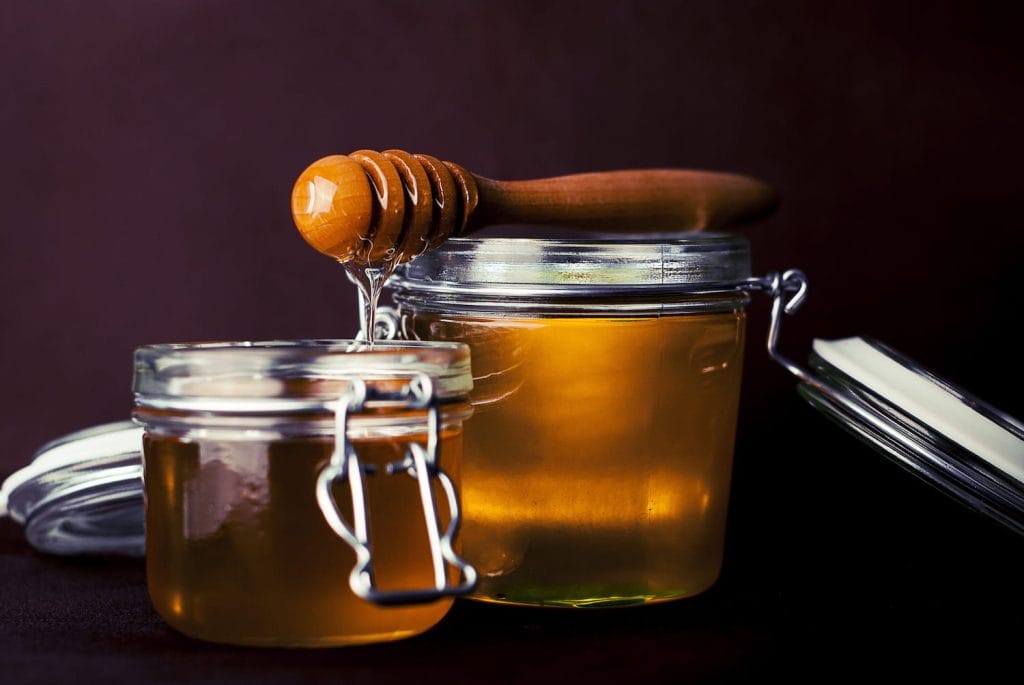
Instead, optimize your digestion and maintain overall balance by enjoying steamed or baked pears. Cooking the fruit makes the nutrients highly bioavailable and gentle on your gut. You can elevate this seasonal remedy by poaching your pears with warming spices like ginger, cinnamon, or a drizzle of raw honey. Choosing warm, cooked meals during this transitional season preserves your internal warmth, strengthens your immune defense, and keeps your body perfectly balanced all winter long.
Here is a fun Traditional Chinese Medicine Autumn Bucket List:
- Cook Warming Foods – Thick soups, roasted root vegetables, and use a lot of garlic and ginger to help build Qi.
- Deepen your Breath – Try out a breathwork exercise, attend a Qigong class, or go for a simple walk to generate Lung Qi.
- Practice Letting Go – Declutter a space in your home, clear out your closet and organize, and try a journaling session reflecting on what you’d like to drop with the leaves during this seasonal shift.
- Support you Lungs – Make a pear and honey tea. Steam/bake some pears to moisten your lungs and regenerate your bodily fluids.
- Create Rituals – Light candles, read poetry upon waking, set seasonal intentions, honor cycles and change.
- Gather and Reflect – Share a meal with a friend or loved one, give gratitude for the warmth and nourishment.