halcyon house

a worker owned cooperative holistic wellness center

Author: Jakki Overby

  • 24 Springtime TCM Recipes

    24 Springtime TCM Recipes

    When focusing on whole-body health in my acupuncture practice, this time of year (especially in Duluth) calls for some beneficial spring TCM recipes to give us a boost during the change of seasons. In Traditional Chinese Medicine (TCM), spring is associated with the Wood element and the Liver and Gallbladder. Like a tree that grows upward and outward, Liver qi rises and spreads throughout the body. When this energy flows freely, we feel motivated, adaptable, and ready to embrace new opportunities. The muscles and tendons remain flexible, supporting smooth and comfortable movement.

    However, when Liver qi becomes restricted, the body’s natural detoxification and circulation processes can slow down, leading to a general sense of sluggishness. This imbalance may also affect the eyes, muscles, and tendons. Emotionally, it can show up as stress, irritability, impatience, or anger.

    One of the key strengths of TCM is its focus on prevention—addressing imbalances before symptoms arise. Eating in alignment with the seasons is one of the ways this balance can be maintained.

    Get the recipes here

  • Happy birthday to Wylie

    Happy birthday to Wylie

    Happy Birthday to Wylie, who turns 2 this week!  He is an energetic guy who makes sure hikes and time in nature around Duluth are a part of my overall well being.

  • Winter Congee Recipe

    Winter Congee Recipe

    a winter TCM recipe to warm and heal your gut.

    Ingredients:

    • 1 cup of jasmine rice
    • 8 cups of chicken stock, vegetable stock, or bone broth (this makes a medium consistency congee, for a more soup-like consistency, use 10-12 cups.
    • pinch of salt
    • pinch of white pepper (warming herb)
    • 1-3 inches of chopped ginger
    • 3/4 cup of enoki mushrooms
    • 3/4 cup of thin slicked shiitake mushrooms (dehydrated work nicely)
    • 3/4 cup of thin sliced woo-ear mushrooms (dehydrated work nicely)
    • Optional: Shredded chicken

    Option ingredients to top at the end:

    • Splash of soy sauce
    • a few drops of sesame oil
    • thinly sliced scallions
    • cilantro
    • chili flakes

    Preparation:  

    Rinse the rice and soak in water for 30-45 minutes. This allows the rice to break down easier during the cookie process. (you can forgo this step if you’d prefer to just rinse)  

    Add all the ingredients to a large pot over medium-high heat. Bring to a boil then simmer on low heat, with the lid half covered for 2-3 hours. Stir occasionally to avoid sticking to the bottom.

    Congee is done when the grains disintegrate into the liquid to reach a uniformly dense texture. (You can also use a slow cooker or instapot. Instapot has a porridge setting!)

    Congee can thicken a little as it cools. Add optional ingredients from the topping list above.

  • Winter

    Winter

    As winter approaches, we find ourselves in the most Yin time of year. This is a season of going inward, conserving energy, slowing down, and honoring rest. Let these months guide you back to yourself. Find your rhythm in the season: seek out warmth, joy, and light while not overextending yourself. A mindful balance of activity and introspection will help keep the yin and yang healthy.

  • TCM warming broth

    TCM warming broth

    Cold and cough season has arrived. In Traditional Chinese Medicine, the lungs, which open to the nose and mouth through the respiratory passages, are considered the most delicate of the five yin organs and the easiest for external influences to affect. These external factors are described as six types: 

    • Wind
    • Cold
    • Dampness
    • Dryness
    • Heat
    • Fire

    Coughs are most often linked to Wind, though Wind frequently combines with other influences such as Cold, Heat, or Dryness, depending on seasonal conditions. Wind enters from the back of the neck and ankles. Wrap up in a scarf or buff to keep your neck ‘wind gate’ covered!


    Here is a quick and easy recipe to nip that cold in the bud:

    • 1 green onion, white portion, thinly sliced
    • 1 clove of garlic, sliced thinly
    • 1-2 thin slices of fresh ginger, unpeeled
    • 1 to 1.5 cups of bone broth or water

    Bring the water or broth to a boil, add ingredients and turn down to a simmer after a few minutes. Strain and cool a few minutes to a comfortable temperature. Serve in a mug or bowl.

    This may induce a slight sweat which helps expel dis-ease from the body. Snuggle up in some blankets, but if you feel damp rinse off and put on dry clothes.

  • Autumn

    Autumn

    In Traditional Chinese Medicine (TCM), Autumn is seen as a season of reflection and release. Just as the trees let go of their leaves without resistance, we too are reminded to surrender what no longer serves us. This season invites us to trust the natural cycles of life, knowing that in time, new growth and renewal will come.

    In Traditional Chinese Medicine, Autumn is associated with the Lungs and Large Intestine, which belong to the Metal element and are influenced by dryness. Pears are often recommended in this season for their ability to regenerate fluids, quench thirst, moisten the lungs and throat, calm restlessness, and promote urination. In TCM practice, pears are typically enjoyed steamed or baked, as cooked foods are generally preferred for supporting digestion and overall balance.


    Here is a fun Traditional Chinese Medicine Autumn Bucket List:

    • Cook Warming Foods – Thick soups, roasted root vegetables, and use a lot of garlic and ginger to help build Qi.
    • Deepen your Breath – Try out a breathwork exercise, attend a Qigong class, or go for a simple walk to generate Lung Qi.
    • Practice Letting Go – Declutter a space in your home, clear out your closet and organize, try a journaling session reflecting on what you’d like to drop with the leaves during this seasonal shift.
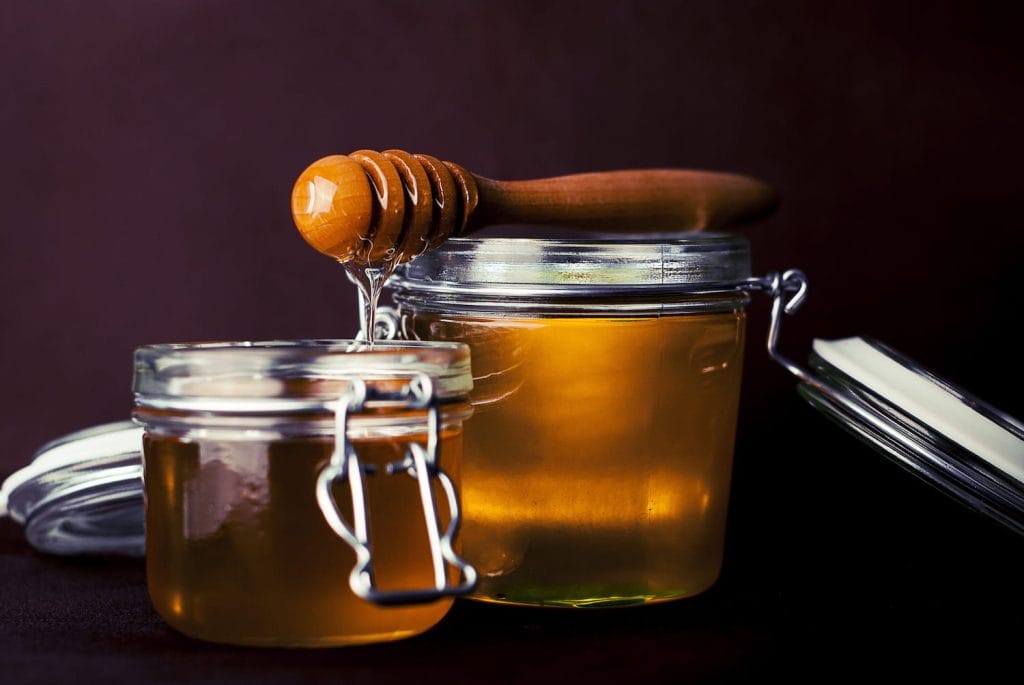
    • Support you Lungs – Make a pear and honey tea or steam/bake some pears to moisten your lungs and regenerate your bodily fluids.
    • Create Rituals – Light candles, read poetry upon waking, set seasonal intentions, honor cycles and change.
    • Gather and Reflect – Share a meal with a friend or loved one, give gratitude for the warmth and nourishment.
  • Cupping

    Cupping

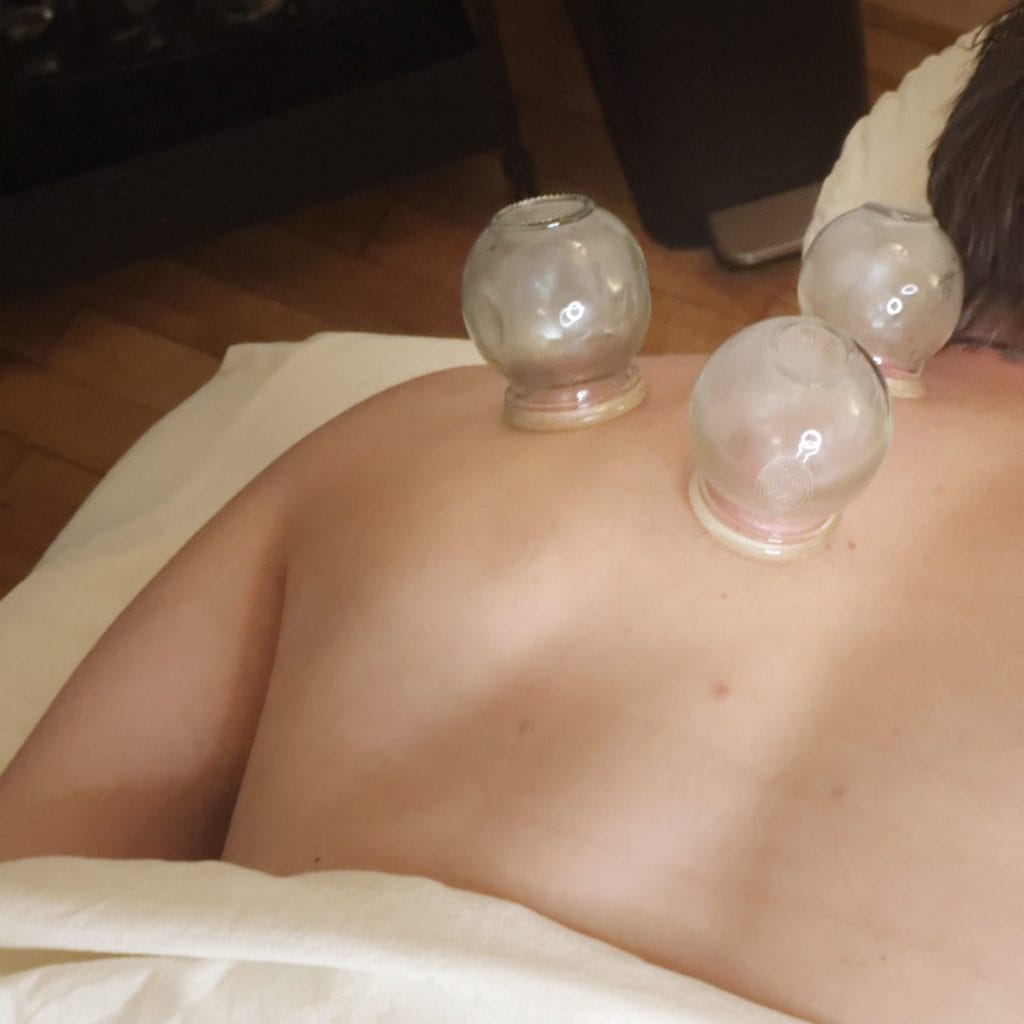
    Cupping is often described as the inverse of massage—instead of applying pressure to push muscles down, it uses gentle suction to lift them upward. This technique is considered one of the most effective deep-tissue therapies, with effects believed to reach up to four inches beneath the skin. Within this depth, toxins may be released, blockages cleared, and circulation in veins and arteries revitalized.

    While cupping is often paired with acupuncture in a single session, it can also be used on its own. The suction and negative pressure help loosen tight muscles, improve blood flow, and calm the nervous system. Practitioners use cupping to address a variety of concerns, including back and neck pain, stiff muscles, migraines, fatigue, rheumatism, anxiety, and even the appearance of cellulite.

    More benefits of Chinese cupping for the lungs include clearing congestion from a common cold or to help control a person’s asthma. In fact, respiratory conditions are one of the most common maladies that cupping is used to relieve.

  • Acupuncture at Halcyon House

    Acupuncture at Halcyon House

    Licensed Acupuncturist Jakki Overby

    Whether you’re new to acupuncture or a longtime believer in its benefits, we’re excited to have you here. If you are looking for professional acupuncture in Duluth, MN, you’ve found the right place.

    Jakki Overby with her dog, Wylie, are inside a car.

    Acupuncture, an essential component of Traditional Chinese Medicine, has been used for thousands of years to restore balance, reduce pain, and support overall health – naturally and holistically.

    Primarily, acupuncture is widely used for pain relief. People often turn to it for chronic back and neck pain, arthritis, headaches, migraines, and even post-surgical discomfort. Its ability to reduce inflammation and improve circulation can offer lasting relief where other treatments fall short.

    If you’re interested but not sure if acupuncture is right for you, schedule a free consultation.