
halcyon house

a worker owned holistic wellness cooperative


  • Breath

    Breath

    How Diaphragm Dysfunction Triggers Chronic Stress and Pain

    Well-being begins and ends with your breath. While this concept may sound esoteric, it represents the exact driving force behind your parasympathetic nervous system. This system actively relaxes your mind and body after a period of intense stress. By practicing relaxed, deep breathing with a soft, extended exhalation, you can consciously regain control of your Deep Front Myofascial Meridian. I also call this crucial pathway the “fight-or-flight line,” the “pregnancy line,” or the “skeleton stabilizer line”.

    The Role of the Diaphragm in Core Stability

    Your diaphragm plays a major role in regulating this deep structural network. When diaphragm dysfunction interrupts this foundation, your body forces secondary breathing muscles in your neck to take over. This unnatural shift creates a dangerous cycle that can cause—or worsen—a wide range of health issues, including:

    • Chronic pain and chronic stress
    • Severe anxiety and PTSD
    • Traumatic head and neck injuries
    • Debilitating migraines and tension headaches
    • Digestive issues and carpal tunnel syndrome

    How Your Brain Responds to Restricted Breathing

    When your diaphragm gets stuck, your brain immediately senses danger. It interprets restricted breathing as a threat to your survival. To win this real or perceived battle, the brain floods your bloodstream with stress hormones and warning signals. By mastering your breath, you flip the switch from panic to peace, unlocking true physical and mental resilience.


    Try this breathing exercise to help regain control of your natural breathing cycle.

    • Lay on the floor with your knees bent and hip width apart. Tuck the tail bone slightly moving it away from your head to flatten the lower back then send it up toward you to arch the low back. Now find the middle space and relax into that position.
    • Next imagine, but don’t actually move, that someone has placed a flower on both shoulders from behind and to smell them you would need to turn your head to the side with your inhale, and return to center on the exhale. Imagine “smelling” the flower on each shoulder with your inhale, returning to center on your exhale.  Don’t try to change anything, just focus on the visualization of smelling the flower, first on one side, then on the other side, resting in the center after each exhale brings your awareness back to neutral.
    • After a few breaths stop the visualization and just follow your natural breath in and out, not forcing anything just breathing in to the first natural stopping point, pausing briefly and letting the breath fall back out as your diaphragm relaxes and pushes the air out. If you are able to get here and it feels good, revel it the simplistic beauty of your breath and enjoy this practice to help recenter yourself, physically, spiritually, and emotionally.
    • If this practice is hard, makes you uncomfortable, you notice that one side isn’t working no matter how hard you try, or causes nausea, pain, or panic then you might need some help to restore balance and return the breath to its natural rhythm. Robin and/or Jennifer can help with bodywork techniques at Halcyon House or schedule an acupuncture session with Jakkie for a Traditional Chinese Medicine approach to rebalance the lungs and breath.

    ,

  • Cupping

    Cupping

    What is Cupping Therapy?

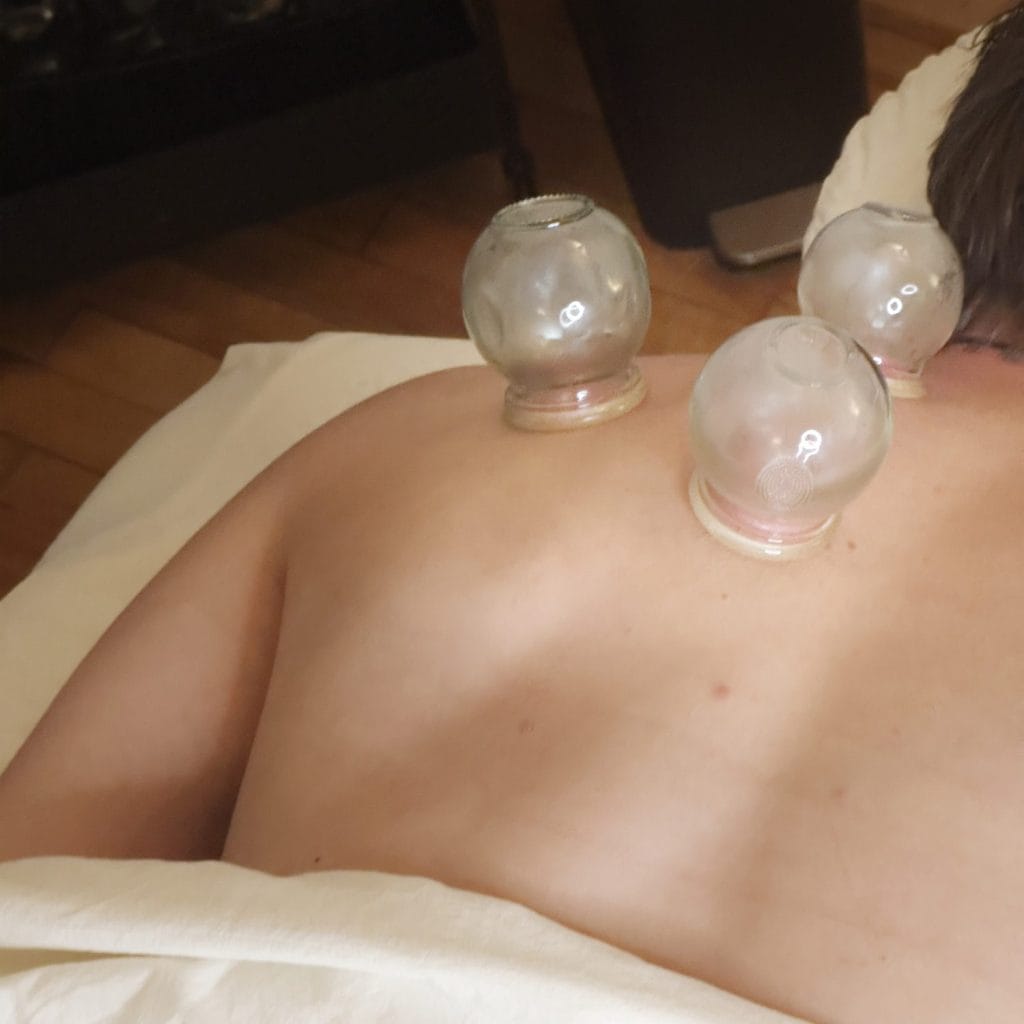
    Cupping is often described as the inverse of massage. Instead of pressing downward into the muscle, specialized cups use gentle suction to lift tissue upward.

    This technique creates negative pressure that acts as a deep-tissue therapy, helping to:

    • Loosen tight, stubborn muscles
    • Improve local blood flow and circulation
    • Release toxins and blockages
    • Calm and regulate the nervous system

    Sessions can stand alone as a dedicated treatment or be combined directly with acupuncture.

    Common Conditions Addressed by Cupping

    Practitioners use cupping therapy to help relieve a wide range of physical and structural concerns including:

    • Musculoskeletal pain: Back pain, neck pain, and stiff muscles
    • Headaches and migraines
    • General wellness: Fatigue, theumatism, and anxiety
    • Targeted aesthetics: The appearance of cellulite
    • Respiratory support: Congestion from a common cold or management for asthma symptoms

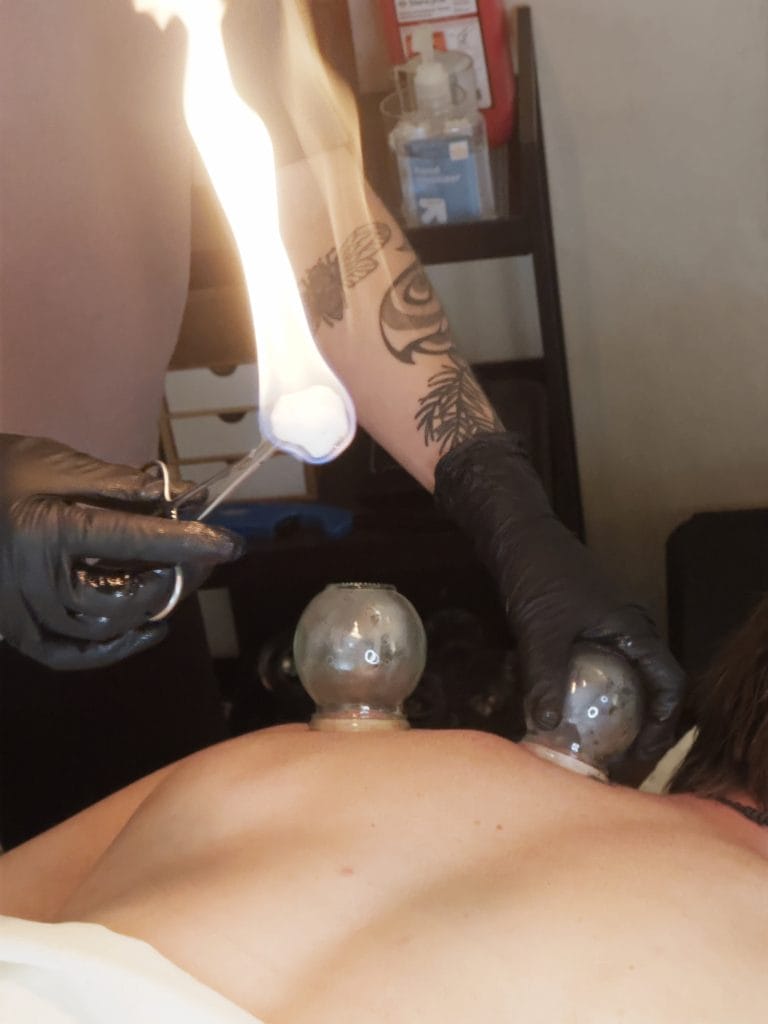
    The Use of Fire

    The use of fire to heat the inside of a specialized cup creates a gentle suction. The cup is sometimes left in place or pushed and pulled.

    ,

  • Vagus Nerve

    Vagus Nerve

    The vagus nerve is the longest and most complex of the cranial nerves, acting as a critical communication highway between your brain and your internal organs. It serves as the primary component of your parasympathetic nervous system, which controls your body’s ability to relax, rest, and digest.

    Here is a breakdown of how it functions and how you can actively engage it to reduce stress.

    Anatomy of the Vagus Nerve

    The word “vagus” means wandering in Latin, which perfectly describes its path.

    • Origin: It begins at the brainstem, right at the base of the skull.
    • Pathway: It travels down both sides of the neck.
    • Reach: It branches out into the chest and abdomen, connecting directly to the heart, lungs, and digestive tract.

    The Brain-Body Connection

    The vagus nerve provides a continuous loop of information between your mind and your body. It acts as the “brake pedal” for your nervous system. When you experience stress, your sympathetic nervous system triggers a “fight-or-flight” response, raising your heart rate and blood pressure. The vagus nerve counteracts this by releasing chemicals that lower your heart rate and signal to your brain that you are safe.

    Activating the Vagus Nerve: Diaphragmatic Breathing

    You can consciously stimulate your vagus nerve to trigger a relaxation response. The most effective way to do this is through diaphragmatic breathing (belly breathing).

    You can practice this by following these steps:

    • Hand Placement: Place one hand on your chest and the other hand on your abdomen.
    • Inhalation: Breathe in deeply through your nose. Feel the hand on your abdomen rise and expand, while keeping the hand on your chest as still as possible.
    • Exhalation: Exhale slowly. Feel your abdomen release and move inward.

    Deep, slow breaths—especially when the exhalation is longer than the inhalation—instantly stimulate the vagus nerve, sending a powerful signal to your brain to calm the entire nervous system.

    , ,

  • Drink and eat your electrolytes!

    Drink and eat your electrolytes!

    How to Rehydrate Fast: Natural Electrolytes for Summer

    When summer weather heats up, we sweat more. Most people reach for plain water to stay hydrated. While drinking water is a great habit, it is only half the battle.

    Sweating drains your body of essential minerals. Drinking large amounts of plain water can flush out the remaining nutrients. To prevent muscle cramps and give your kidneys a break, you must replace these lost minerals.

    Choosing electrolyte-rich foods is the best way to restore your balance. Here are a few delicious, quick ways to get natural electrolytes without heating up your kitchen.

    Quick Savory Miso Broth

    A warm bowl of miso ramen or soba is a fantastic recovery meal. It is packed with sodium and vital nutrients.

    • The Base: Start with homemade bone broth or vegetable broth.
    • The Mix-ins: Grate in fresh ginger. Add one finely sliced Brussels sprout and two sliced shiitake mushrooms.
    • The Flavor: Pour in a dash of soy sauce and rice vinegar.
    • The Finish: Stir in one tablespoon of miso paste at the very end.

    This comforting bowl is nourishing, savory, and ready in minutes.

    Refreshing Summer Snacks

    If you prefer something cool, try these easy alternatives:

    • Salted Watermelon: Sprinkle a pinch of sea salt on fresh watermelon slices. Watermelon is packed with potassium and water.
    • Mint Limeade: Muddle fresh mint into a cold lemonade or limeade. Add a tiny pinch of sea salt.
    • Pickles: Eat a crunchy, cold whole pickle for an instant sodium boost.

    Summer hydration does not have to be boring. Use fresh summer fruits and simple pantry staples to keep your energy high. Skip the sugary sports drinks and eat your electrolytes today!

    ,

  • Acupuncture at Halcyon House

    Acupuncture at Halcyon House

    Licensed Acupuncturist Jakki Overby

    Whether you’re new to acupuncture or a longtime believer in its benefits, we’re excited to have you here. If you are looking for professional acupuncture in Duluth, MN, you’ve found the right place.

    Jakki Overby with her dog, Wylie, are inside a car.

    Acupuncture, an essential component of Traditional Chinese Medicine, has been used for thousands of years to restore balance, reduce pain, and support overall health – naturally and holistically.

    Primarily, acupuncture is widely used for pain relief. People often turn to it for chronic back and neck pain, arthritis, headaches, migraines, and even post-surgical discomfort. Its ability to reduce inflammation and improve circulation can offer lasting relief where other treatments fall short.

    If you’re interested but not sure if acupuncture is right for you, schedule a free consultation.

    ,