
What other muscles get activated during the fight or flight response?
In April’s newsletter, I discussed how the psoas muscle tightens during a fight or flight response as protection and a way to escape. This month, I’d like to discuss how the masseter and temporalis muscles can also become active during a stress response. Have you ever caught yourself clenching your teeth together during a stressful event. The masseter and temporalis act together to bring the teeth together. This function is for chewing food. However, this action can become a habit in response to stress.
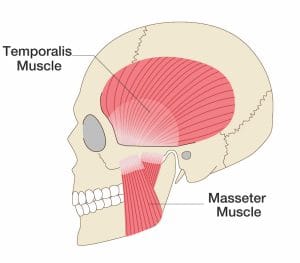
The over-activation of these muscles can cause: Tension headaches, especially at the temples Jaw/TMJ pain Teeth wearing Painful chewing Jaw locking or cracking.
At Halcyon house, we have several treatments that can help with this including:
- Nervous system regulation/awareness: noticing when we are clenching
- Relaxation techniques: learning to relax the body to reduce overall tension
- Breathing practice: optimal breathing promotes a calmer/less reactive nervous system
- Acupuncture: fascial acupuncture points
- Massage: myofascial release of tension patterns in muscles and fascia
- Craniosacral therapy: nervous system regulation
- Neuromuscular re-education: establishing optimal use of these muscles, both contracting and relaxing.
Leave a Reply