
What other muscles get activated during the fight or flight response?
Overcoming Chest Breathing: How Stress Locks Your Neck and Chest Muscles
In my two previous blog posts, I explained how the psoas and masseter muscles hold tension when your sympathetic nervous system (the fight-or-flight response) over-activates. However, the tension pattern does not stop there. Chronic stress also recruits your accessory breathing muscles.
What Are Accessory Breathing Muscles?
These small muscles reside in your neck and chest. Your body activates them automatically when you stop practicing deep diaphragmatic breathing and fail to expand your rib cage.
Under normal circumstances, your body safely engages these accessory muscles to assist your breathing during heavy exertion, such as vigorous exercise. However, using them for daily, relaxed breathing is highly inefficient. Wellness professionals call this habit chest breathing, a dysfunctional pattern where your rib cage lifts upward toward your chin rather than expanding outward.
The True Cost of Chronic Chest Breathing
When daily stress locks you into chest breathing, your neck and chest muscles work overtime. This constant over-activation keeps your body trapped in a perpetual fight-or-flight loop. By training your body to return to lateral rib cage expansion, you can release chronic neck tension, lower your stress hormones, and restore optimal respiratory health.
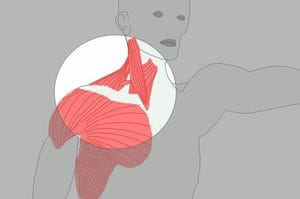
The chronic overuse of these neck and chest muscles leads to fatigue, tension headaches, neck pain, jaw tension and upper back pain. By breathing in this way, you are also stimulating your flight or fight nervous system in an ongoing feedback loop. It is important to have a breathing assessment if you have any of these symptoms.
Breath re-patterning is an important part of a holistic approach.
At Halcyon House, both Jennifer and I will assess your breathing pattern as part of our treatment assessment. We will recommend breathing practices that will assist you in regaining optimal and efficient breathing.
Leave a Reply